AI Digital Product Ideas to Sell for Passive Income
The landscape of online entrepreneurship has shifted dramatically. We are no longer limited to physical inventory or complex logistics. Instead, the most scalable businesses today are built on digital assets. If you have been looking for a way to generate revenue while you sleep, focusing on AI digital product ideas to sell is your most strategic move. This isn't just about creating a file; it's about solving specific problems for specific people using modern design tools.
Many aspiring entrepreneurs hesitate because they feel they lack design skills. This is where the synergy between artificial intelligence and user-friendly platforms like Canva comes into play. You do not need to be a master of typography or a vector graphics expert to create high-quality products. By leveraging AI for ideation and structure, and Canva for execution, you can create professional-grade design assets that customers are eager to buy. The goal is to move beyond generic content and create resources that feel intentional, branded, and valuable.
The Mechanics of Modern Digital Creation
To succeed in this space, you must understand the tools that define the current market. Canva has democratized design, but AI design tools have accelerated the workflow. When we talk about AI digital product ideas, we are referring to items where the concept generation, content outlining, or visual layout has been optimized by technology, allowing you to focus on the final polish and brand identity.
Consider the visual personality of your products. Just as a premium font sets the tone for a logo design, the aesthetic of your digital product defines its perceived value. Are you selling a minimalist budgeting spreadsheet? That requires a sans serif font for clarity and readability. Are you creating a wedding invitation template? You might look toward a script font or handwritten font to convey elegance. The "personality" of your product is what converts a browser into a buyer. It needs to look trustworthy, organized, and visually appealing on a screen.
High-Demand Niches: Planners, Trackers, and Templates
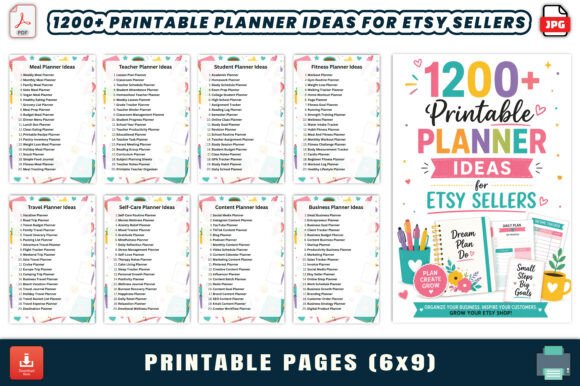
The most consistent sellers in the digital marketplace are utility-based products. Printable planners and habit trackers are not just paper; they are systems for organization. When creating these, modern typography plays a critical role. You need a typeface that remains legible at small sizes—often 10pt or 12pt—when printed. A serif font can add a touch of sophistication to a daily planner, while a clean sans serif font works best for data-heavy spreadsheets.
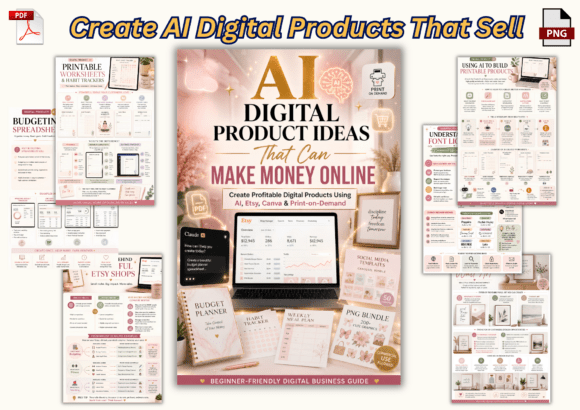
When you list these on Etsy, your product photography (mockups) must reflect the quality of the file. If you are selling a budgeting spreadsheet, show it in use on a tablet or laptop. If you are selling social media templates, display them in a grid format that shows cohesion. The visual hierarchy of your product listing—how you use headings, bullet points, and imagery—mirrors the principles of editorial design. You are essentially designing a sales page within the marketplace.
Visual Style and Application in Packaging Design
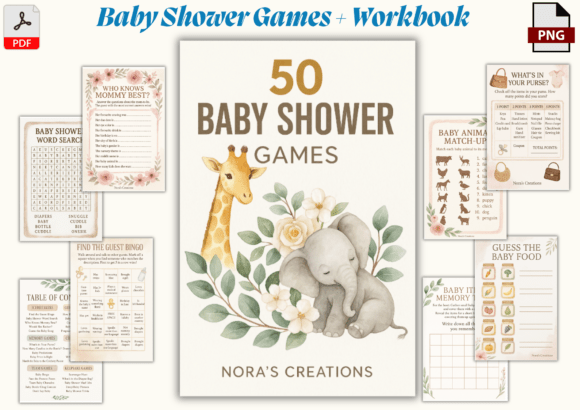
Digital products extend beyond PDFs. PNG bundles and wall art require a different approach to typography and composition. For wall art, the typeface is often the hero of the design. You might mix a bold display font with a delicate script font to create visual interest. This is where understanding font pairing becomes essential. The contrast between a thick, heavy header and a light, airy subtext guides the viewer's eye and creates a focal point.
For print-on-demand sellers, the application shifts to packaging design and physical products. Whether it’s a mug, a t-shirt, or a tote bag, the typeface must be legible from a distance. A complex handwritten font might look beautiful on a screen but become unreadable when printed on textured fabric. Always test your creative font choices in mockups before finalizing the design. The "appeal" of a POD product lies in its simplicity and the immediate readability of the message.
Strategic Business Growth and Brand Consistency
Selling AI digital product ideas is not a one-time transaction; it is a business model. To scale, you need brand consistency. This means using the same core set of fonts, colors, and design elements across all your products. If a customer buys a social media template from you and loves the style, they should be able to recognize your brand identity immediately when they see your wall art or printable planners.
This consistency builds trust. It signals professionalism. When you are setting up your Etsy shop, treat your shop icon, banner, and listing images as a cohesive web design project. Use your chosen commercial font for all your headers and shop announcements. This visual language tells the customer that you are a serious creator, not just someone uploading random files. It transforms your shop from a collection of items into a curated boutique.
Practical Guidance for Product Evaluation
Before you launch a product, you must evaluate its fit for the market. Does the design solve a problem? Is the text readable? Does the file format match the platform's requirements? For example, Etsy buyers expect instant downloads in high-resolution PDF or PNG formats. If you are selling templates, they must be editable in the software specified (e.g., Canva).
When choosing your design assets, consider the commercial licensing. If you are using a premium font or graphics from a marketplace, ensure your license allows for use in end-products for sale. This is a common pitfall for beginners. You cannot sell a digital product containing a font that is licensed only for personal use. Always read the EULA (End User License Agreement) or use fonts that explicitly include commercial license options.
The Role of AI in Workflow and Ideation
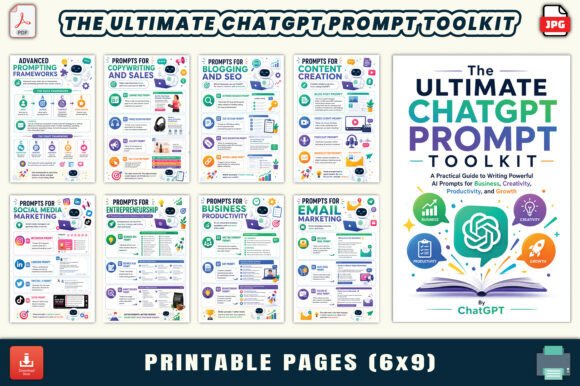
How exactly do you use AI to generate these ideas? Think of AI as your brainstorming partner. You can prompt it to generate 50 niche ideas for budgeting spreadsheets or ask it to outline the structure of a habit tracker. It can help you write the copy for your listings or generate ideas for social media graphics to promote your shop.
However, the human touch remains vital. AI can generate the skeleton, but you provide the soul. You select the typeface that evokes the right emotion. You adjust the kerning (spacing) to ensure the text breathes. You choose the color palette that aligns with current trends. The combination of AI efficiency and human aesthetic judgment creates a product that is both functional and beautiful. This hybrid approach allows you to produce a high volume of quality work, essential for building a passive income stream.
Finalizing Your Product for the Market
Once your design is complete, the work isn't over. You need to think about the customer experience. How easy is it to download? Are the instructions clear? Is the file size optimized for quick loading? A well-designed product includes a "How to Use" page or a separate instruction file. This attention to detail reduces customer service inquiries and increases positive reviews.
Remember, you are not just selling a file; you are selling a solution, an aesthetic, and an experience. Whether it is a Canva template for a small business owner or a piece of wall art for a home decorator, the value lies in the execution. By focusing on modern typography, clean layouts, and solving real problems, you can build a sustainable business selling AI digital product ideas. The market is vast, and with the right strategy, your digital creations can become a significant source of income.